A market of five million has room for exactly one obvious answer.
Norwegian language search is thin enough that a properly structured site can become the source assistants reach for across a whole category. That is not realistic in a market of three hundred million. Here it is.
Visible across Google and AI search, with a plan you keep either way.
Small market, almost no competition for the citation
AI visibility work is concentrated in English and in large markets. Norwegian queries return comparatively little, and very few businesses here have structured their content so a model can use it.
- ✕English only content in a market that searches in Norwegian
- ✕You rank on Google and never appear in AI answers
- ✕Nothing on your pages is quotable, so nothing gets quoted
- ✕No structured data, so machines cannot tell what you do
- ✕No hreflang, so the wrong language version gets served
- ✕Thin presence anywhere off your own domain
AI systems cite sources they can extract from and verify. In Norwegian, there is currently very little competing for that slot.
What the work involves
Traditional SEO is the foundation, not the ceiling. Both jobs get done together.
Norwegian and English done properly
Separate URLs, correct hreflang and genuine localisation rather than machine translation, so each version can rank and be cited on its own merits.
Answer led content
Pages restructured so the answer comes first and stands alone when lifted out of context. That extractable block is what an assistant quotes.
Category level depth
In a market this size, covering a category properly is achievable rather than aspirational, and it is what makes you the default answer.
Technical foundation
Crawlability, indexing, Core Web Vitals and server rendered HTML. If a crawler cannot read the page without JavaScript, nothing else counts.
Proof and credibility signals
Real numbers and named expertise. Assistants weight verifiable claims and quietly discount marketing adjectives.
Presence beyond your domain
Brands get cited through third party sources far more often than through their own site. We work on where else you appear.
The first 90 days
Foundations first, because authority built on a broken site does not hold.
Audit and foundation
Technical audit, crawler access, site structure, schema and a map of the questions your buyers actually ask. We also confirm nothing is blocking AI crawlers, which is more common than you would think.
Build authority
Topic clusters, commercial pages and credibility signals. The site stops describing itself and starts answering things.
Expand visibility
Off site presence, refreshes, conversion work on the pages now getting found, and monitoring across both Google and the AI platforms.
The dashboards, not the adjectives.
Screenshots straight out of the ad accounts and search consoles. Every number below came from a real campaign, not a case study written after the fact.
Ninja Ranker
SaaSSearch optimisation covering organic discoverability, technical SEO and topical authority.
Boltic
SaaSDigital growth work across website performance, marketing strategy and user acquisition.
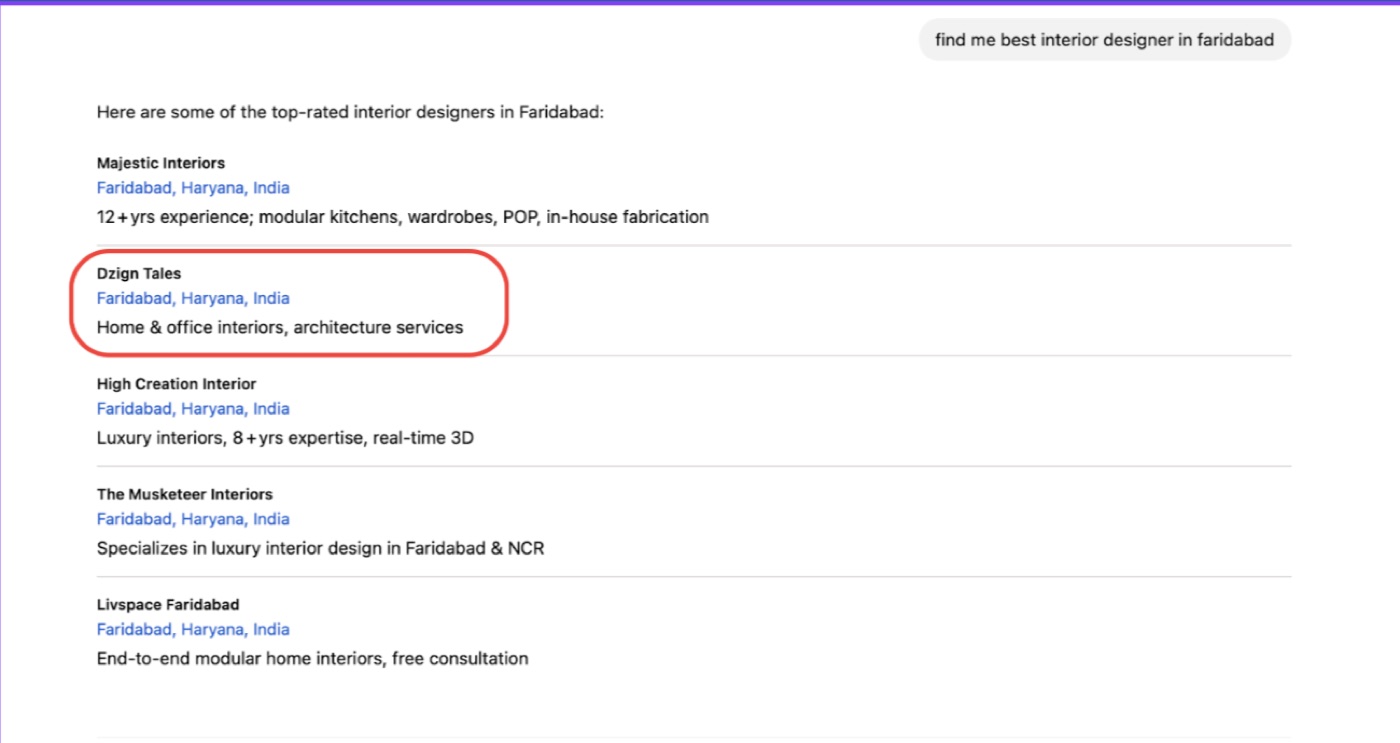
Surfaced inside AI search for “best interior designer in Faridabad”
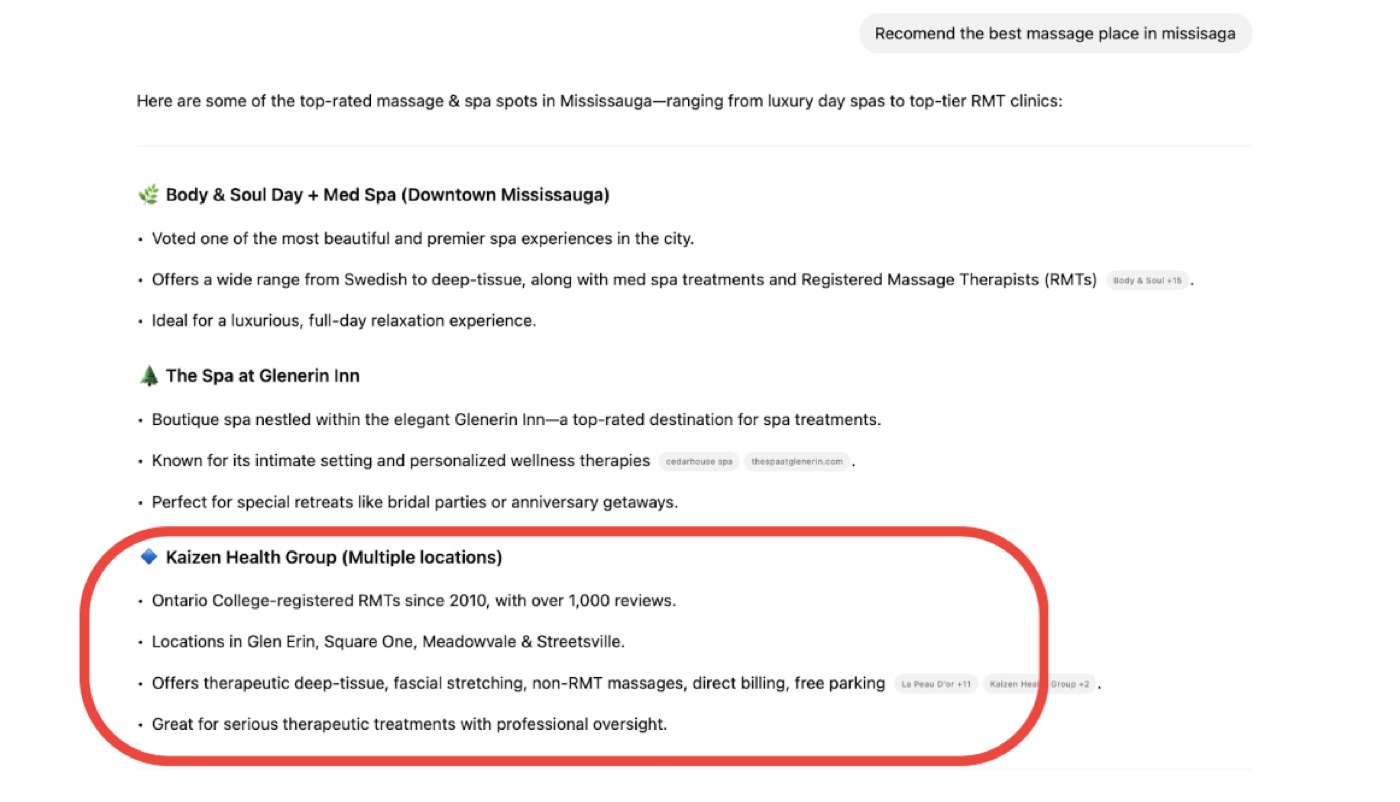
Recommended by AI assistants for “best massage place in Mississauga”
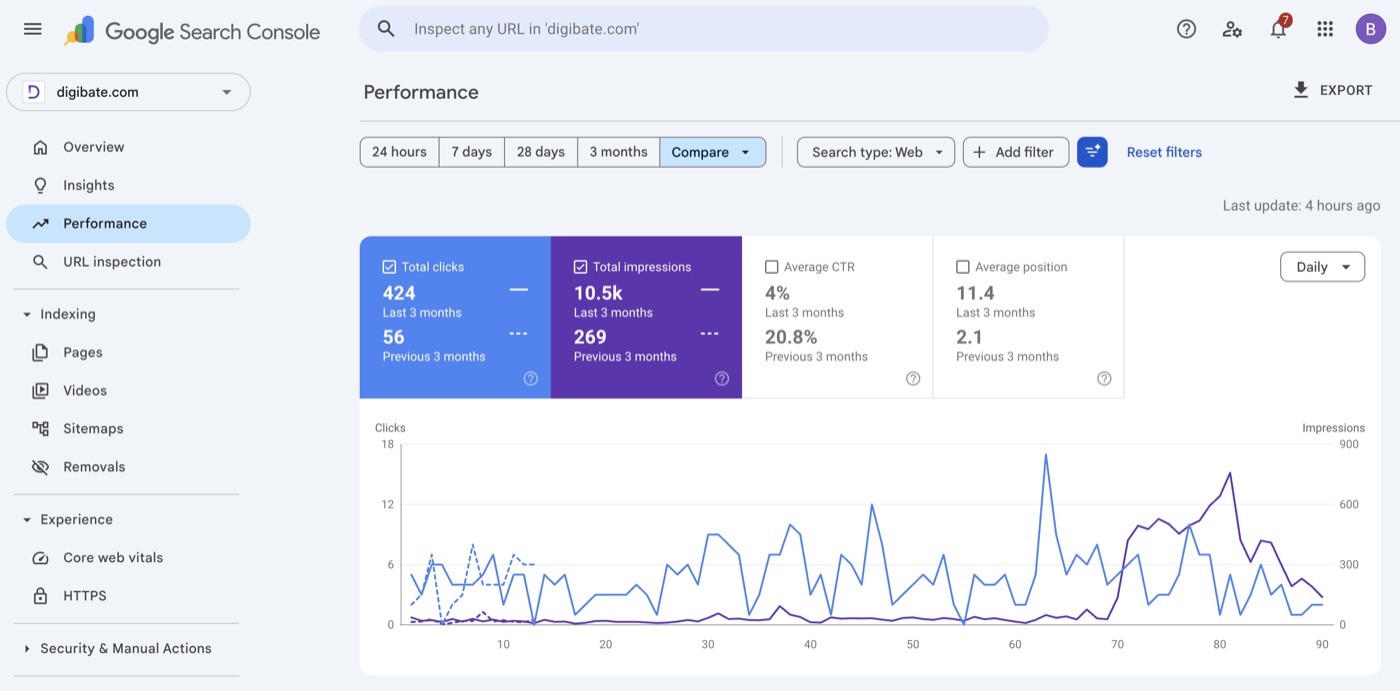
Organic clicks 56 → 424 and impressions 269 → 10.5K in 3 months
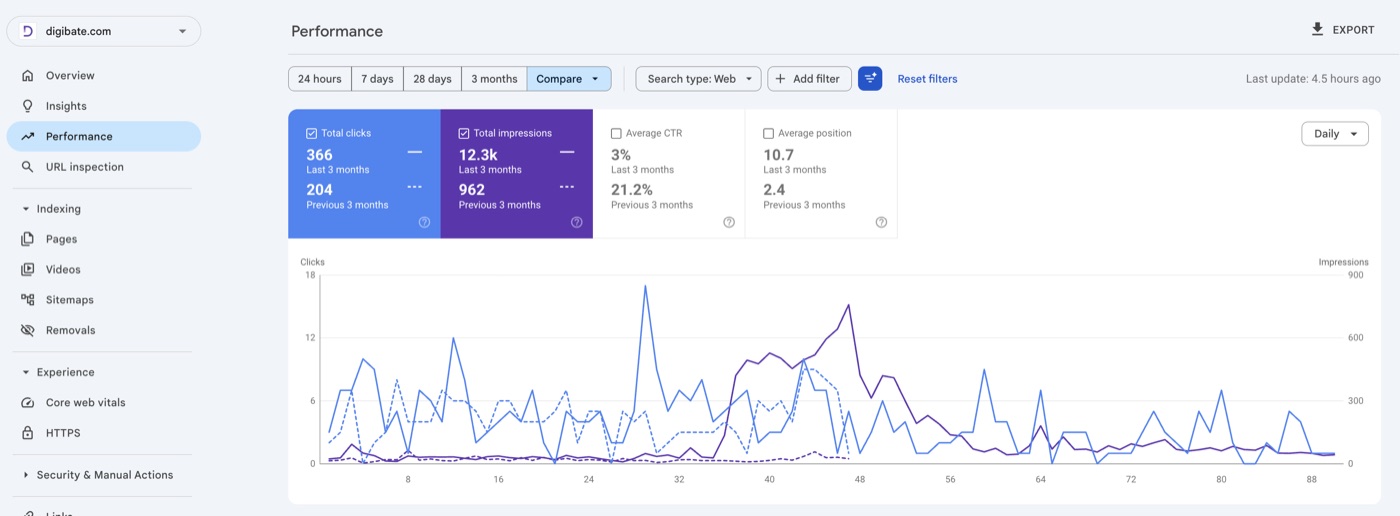
Impressions scaled 962 → 12.3K with rankings climbing
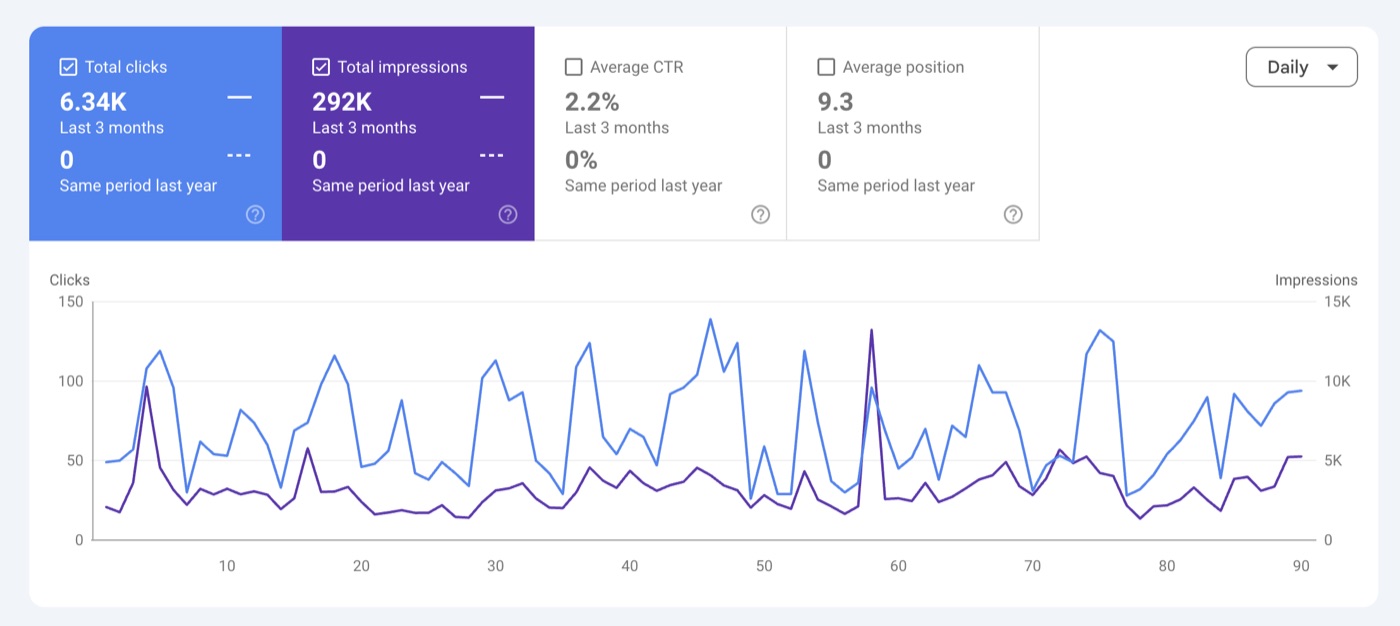
6.34K clicks & 292K impressions: up from zero a year earlier
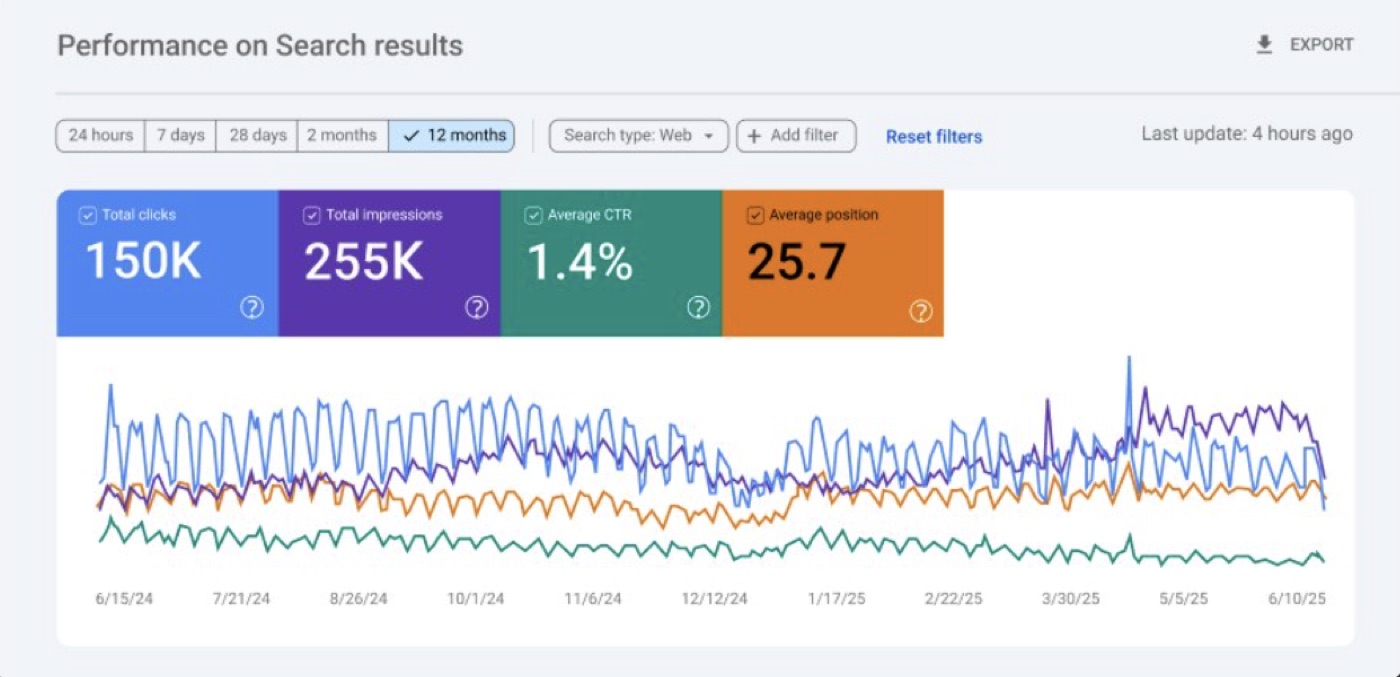
150K organic clicks across 12 months of compounding growth
Businesses I work with in Norway
Sectors where this work reliably pays back. If yours is not listed, it is still worth asking.
AI SEO in Norway
There is real overlap and anyone claiming otherwise is selling something. Classic SEO gets you ranked. The added work is making content extractable, your entity identifiable and your claims verifiable, so a model quotes you rather than a competitor.
English is widely understood here, but people search in Norwegian and buy in Norwegian. The competition for Norwegian queries is also far thinner, which makes it the cheaper opportunity rather than the harder one. Properly written, not machine translated, with its own URLs and hreflang.
One client has been cited 162 times in Google AI Overviews and 32 times in ChatGPT, with 5.3K keywords ranking. Screenshots are on the portfolio page rather than described in prose here.
Technical and structural fixes register within weeks. Being cited in AI answers usually takes three to six months, though thin Norwegian competition can shorten that considerably. Anyone promising citations in 30 days is guessing.
I work with Norway businesses remotely, and my day overlaps with your morning and afternoon, so calls sit inside normal working hours for you. Everything runs in your own tools: your ad accounts, your analytics, your CRM, your repo, all under your ownership. The thing clients tend to notice is that they talk to the person doing the work rather than an account manager passing messages along.
Find out what AI search says about you today
On the call we will run your key queries through the assistants your buyers use, in both languages, and look at what comes back.
Prefer WhatsApp? Message me on +91 85068 57769